KEY POINTS
- Falls can happen at any workplace.
- Fall injuries are preventable.
- NIOSH conducts research to prevent work-related injuries and deaths from falls across all industries.
Why it’s important
Fall injuries are a common workplace injury.
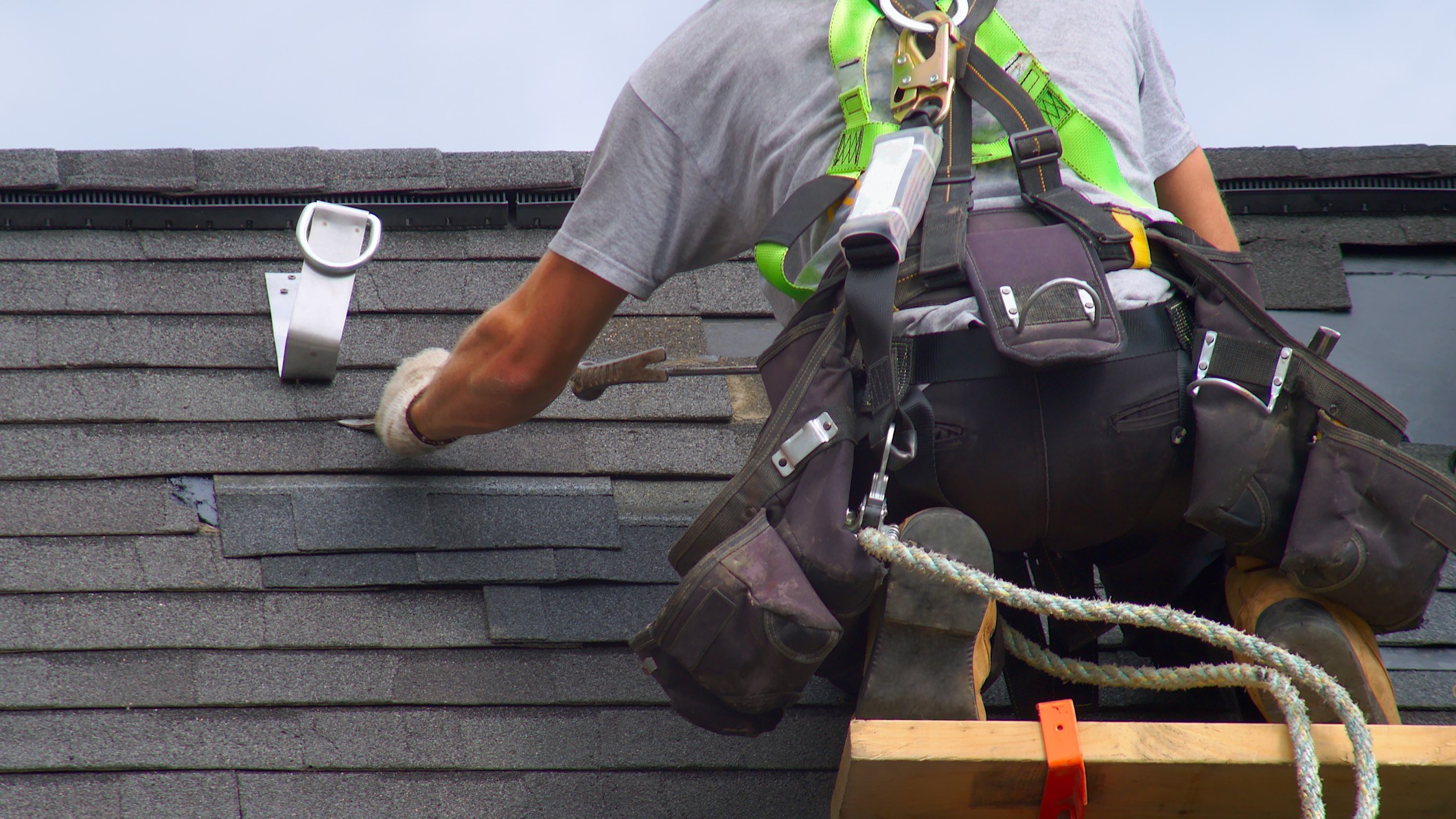
The construction industry experiences the highest frequency of fall-related deaths. These deaths are mostly falls from heights.
The highest counts of nonfatal fall injuries are in the educational and health services and the healthcare and social assistance industries. These injuries are mostly slips and falls on the same level.
Other industries at high risk of fall injuries include:
- Nursing and residential care
- Ambulance services
- Building cleaning and maintenance
- Transportation and material moving
Impacts
Fall injuries create a considerable financial burden. In the United States, workers’ compensation and medical expenses associated with workplace falls are estimated to cost $70 billion annually.3
Other countries face similar challenges in the workplace. In fact, the international public health community has a strong interest in developing strategies to reduce fall injuries.
National campaign to prevent falls
Safety risks
Falls in the workplace frequently involve:
- Unprotected edges
- Unsafely positioned ladders
- Misused fall protection
- Water, grease, and other contaminants on the floor
- Clutter and tripping hazards in walkways
- Irregularities in the floor and wall openings
Prevention
Federal regulations and industry consensus standards provide specific measures and performance-based recommendations for fall prevention and protection. However, persistent unsafe practices and low safety culture across many industries define steady fall injury rates each year.
Reducing fall injury and death rates require:
- Implementing new effective fall prevention and protection technologies
- Using appropriate PPE like harnesses, fall guards, and slip-resistant footwear4
- Improving the work safety culture by educating the workforce
These efforts require continued collaboration from:
- Regulators
- Industry leaders
- Professional associations
- Labor unions
- Employers and employees
- Safety professionals
- Researchers
Traumatic occupational injury research labs
What CDC is doing
As a leader in occupational safety research, NIOSH plays a key role in these complex fall-injury prevention efforts. NIOSH bases fall-injury prevention research strategic planning and goal setting on:
- The magnitude or emergence of the problem as shown by data
- Immediacy of need
- Resources and expertise available to work on the problem
- Current research
- Strength of partnerships
- Status and momentum on research-to-practice efforts
Input from the National Academy of Sciences program review enhances the strategic planning process.
Resources
- Slip-Resistant Shoes Reduce Food Services Worker Slip Injuries NIOSH Infographic (2019) (En español)
- CDC – NORA Traumatic Injury Prevention Cross-Sector Council – Posters
Fatality Assessment and Control Evaluation (FACE) Reports
Review Falls related NIOSH FACE and State FACE reports for recommendations to prevent similar deaths in CDC Stacks. View by Collection (NIOSH/FACE) or search for reports using keywords in the search bar.
Original Article – https://www.cdc.gov/niosh/falls/about/index.html